Introduction
"Lab-grown diamonds" have been gaining attention in recent years.
They look and shine just like natural diamonds, but are affordable and environmentally friendly - they are gaining support from many couples and jewelry enthusiasts as a next-generation option.
In this article, we will thoroughly explain everything from the basics of lab-grown diamonds to the differences between them and natural diamonds in terms of price, quality, and sustainability, as well as things to look out for when purchasing and recommended brands.
"Is it really lab-grown?" "How is it different from natural?" "Where can I buy it?"
We will carefully answer such questions based on our knowledge as a diamond specialty store.
We hope that this will serve as a guide for those who are looking to choose an engagement ring or who are just starting to become interested in lab-grown rings, helping them make a decision they will not regret.
table of contents
1. What are lab-grown diamonds? Genuine brilliance created by science

Lab-grown diamonds, as the name suggests, are diamonds that are "grown in a laboratory." They have the same carbon structure as natural diamonds, and are "real diamonds" that are identical in appearance, hardness, and brilliance to natural diamonds.
Although it is commonly called a "synthetic diamond," it is fundamentally different from "imitation stones" such as moissanite and cubic zirconia, and the most important thing is that it is a real diamond both structurally and scientifically .
Lab-grown diamonds are created mainly using two methods. One is the "HPHT (High Pressure, High Temperature)" method, which artificially recreates the same high temperature and pressure environment as natural diamonds. The other is the "CVD (Chemical Vapor Deposition)" method, which is more modern and allows for stable production and can even produce large, beautiful stones over one carat , so it is becoming the mainstream in the world of bridal jewelry.
2. What is the difference between natural diamonds? A thorough comparison of appearance, price, and value
The biggest difference between lab-grown and natural diamonds is the environment in which they are created. They are impossible to distinguish with the naked eye, and require highly advanced judgment, such as using specialized grading equipment . Of course, lab-grown diamonds are also issued grading reports by world-class grading agencies such as GIA and IGI, so you can rest assured in terms of reliability.
So, what about the price?

In fact, in this respect, lab-grown diamonds have an overwhelming advantage. For example, when comparing the same 1-carat diamond, a natural one would typically cost around 1,000,000 to 1,500,000 yen, whereas a lab-grown one can often be purchased for around 400,000 to 700,000 yen , achieving the same quality while saving 30 to 50% in price .
In addition, because lab-grown diamonds do not involve mining, they have an extremely low environmental impact and also have the advantage of avoiding ethical risks such as labor issues and conflict diamonds . They are gaining attention around the world as a choice that is kind to both the earth and people.

However, in terms of resale value , it is true that rare natural diamonds have a more stable market price. However, what many people consider most important when choosing a diamond for an engagement ring or commemorative jewelry is its "value as jewelry that embodies feelings," rather than its asset value.
Finally, regarding market trends for lab-grown diamonds, some surveys have shown that in the US and the UK, roughly half of engagement rings have already been replaced with lab-grown diamonds. This trend is certainly coming to Japan as well, and there's no doubt that they will become mainstream in the future.
3. Why choose lab-grown diamonds and who are they recommended for?
One of the reasons lab-grown diamonds are gaining popularity is that they allow you to choose a higher-grade diamond for the same budget . For example, even if your budget is 400,000 to 500,000 yen, natural diamonds are at most 0.3 to 0.5 carats. However, with lab-grown diamonds, large diamonds of over 1 carat are within reach. For those looking for something that looks good in photos and makes a statement, there is no more attractive option.

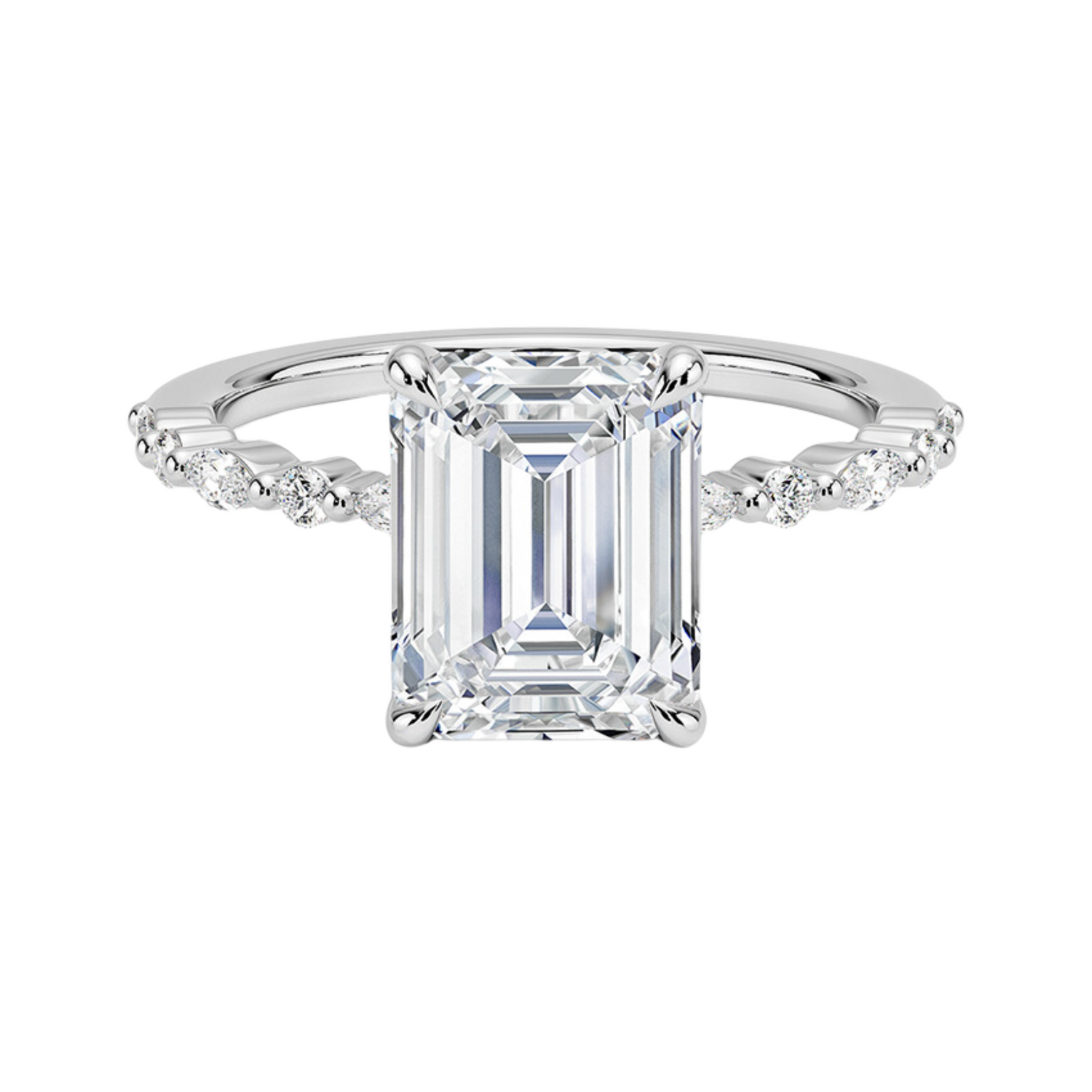
Additionally, in recent years, an increasing number of people are seeking "fancy shaped" diamonds such as oval, emerald, pear, and marquise , but the reality is that natural stones of these shapes are extremely expensive and difficult to obtain. Another major attraction of lab-grown diamonds is that they allow you to freely express your own individuality through size, shape, and color .
Furthermore, lab-grown diamonds are a perfect choice for those who want to choose jewelry from a sustainable or ethical perspective . Those who want to distance themselves from issues such as deforestation and child labor caused by mining choose lab-grown diamonds as clean diamonds they can truly trust .
In fact, many customers are attracted to the ethical aspects of lab-grown diamonds and purchase them.

4. Where can I buy them? Brands in Tokyo where you can experience lab-grown diamonds

In Japan, there are still not many brands that have permanent showrooms where customers can actually touch lab-grown diamonds.
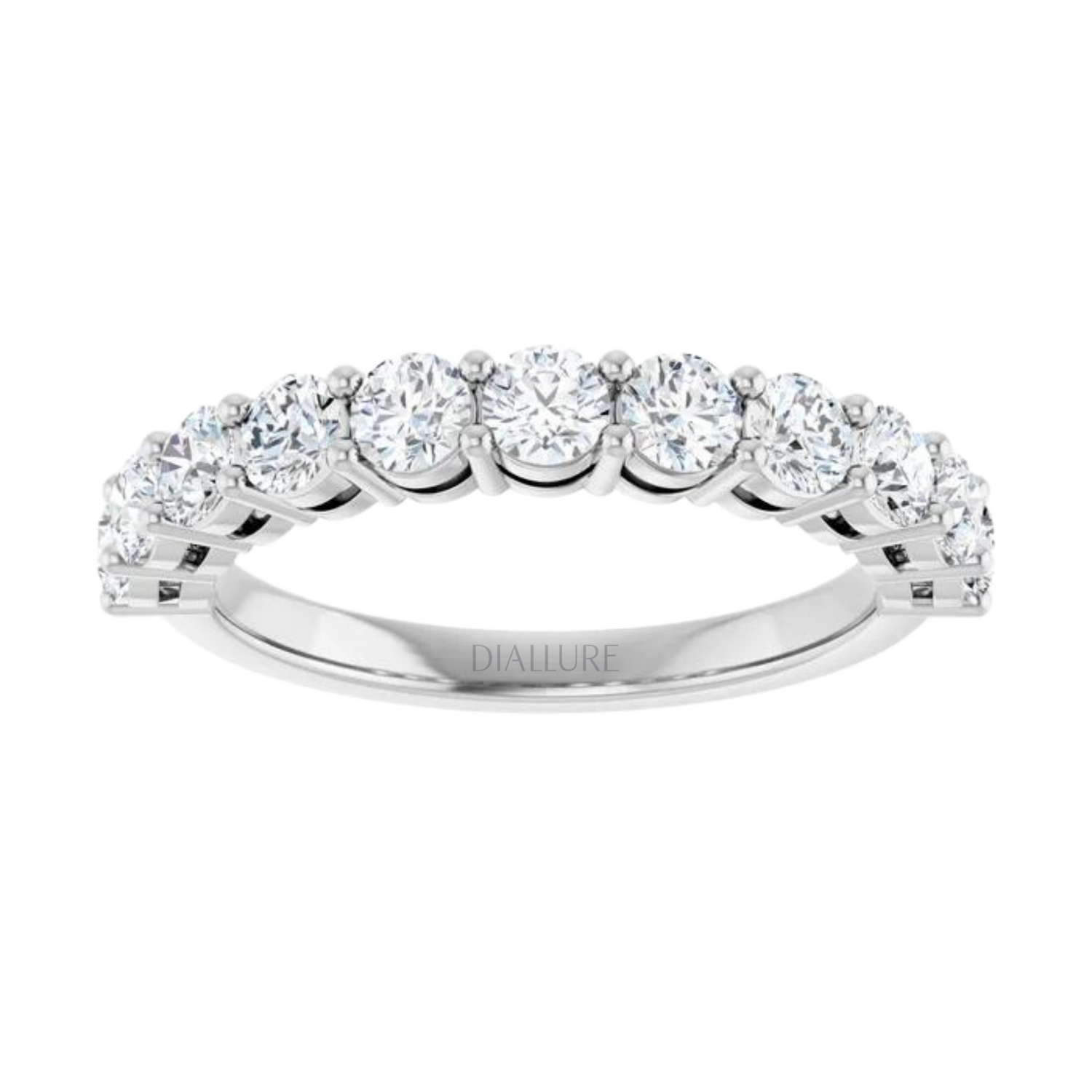
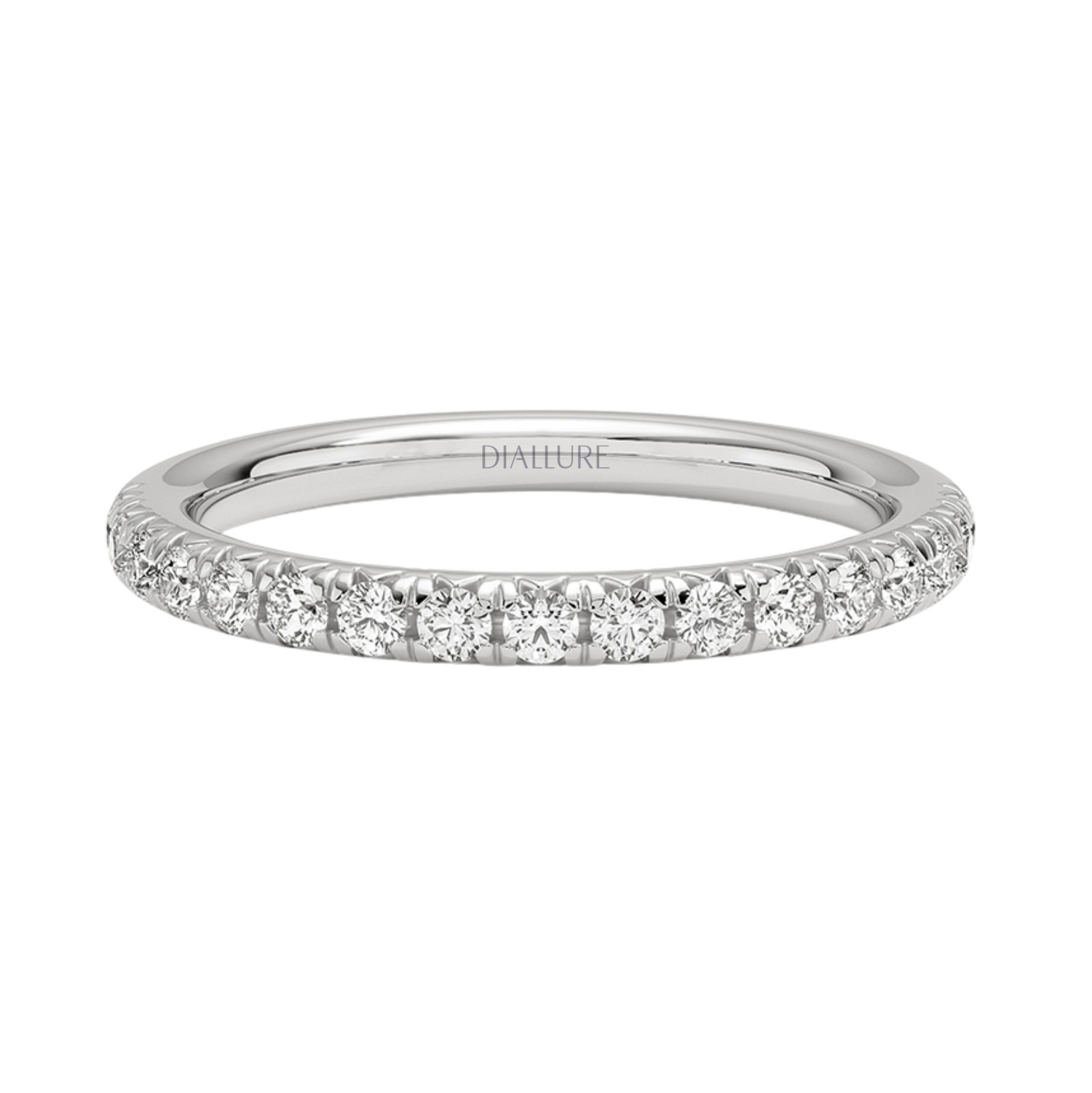
However, at DIALLURE, you can actually compare both natural diamonds and lab-grown diamonds at the Shirokane Takanawa showroom, and you can even see large lab-grown diamonds of over one carat. Featuring more than 10 different diamond shapes and stylish overseas-style settings, they can flexibly accommodate everything from semi-orders to full orders .
Consultations are also available via LINE, allowing you to communicate with an expert before visiting, so even first-time customers can feel at ease. Support is also available in English and Chinese, making it popular with international couples and inbound customers.
On the other hand, Brilliance+, which has stores nationwide, offers a semi-custom order system based on ready-made molds and is compatible with both natural and lab-made products.
For a detailed comparison of the two brands, please refer to "A Thorough Comparison of DIALLURE and Brilliance+ | What are the Differences Between Lab-Grown and Natural Diamond Brands?"
5. Frequently Asked Questions (FAQ)
Q1. Aren't lab-grown products fake?
→ No. Lab-grown diamonds are "real diamonds" with the exact same carbon crystal structure as natural diamonds. They look and shine just like natural diamonds.
Q2. Is an appraisal certificate included?
→ Yes. For engagement rings, center diamonds weighing 0.3 carats or more each must be certified by a highly reliable international organization such as GIA or IGI.
Q3. Is it okay to use it for wedding rings or engagement rings?
→ Of course. In fact, it's perfect for "giving shape to your dreams" because it's easy to create the size and design you want.
Q4. Is it really popular overseas?
→ Yes. In the US and the UK, about half of engagement rings are already made from lab-grown materials, and it has now become the "new normal."
Q5. I'm worried about the future value. Will I regret it?
→ If you are concerned with resale value as an asset, natural stones are the better choice, but lab-grown stones are chosen by those who value "personal value" and "satisfaction as jewelry."
Summary | Experience true brilliance more freely and in a way that suits you
Lab-grown diamonds are an option that fits modern values in many ways, including price, ethics, and freedom of design.
The "authenticity" remains unchanged, and the "accessibility" and "freedom of choice" are also the reasons why it is now supported by many people .
The important thing is not which is the correct answer, natural or lab, but which one feels right for you right now.
If you're unsure, we recommend comparing both, touching them, and making a decision based on your own judgment .